
 Suicide is a critical public health challenge that requires urgent, compassionate action. Every year tens of thousands of people die by suicide (suicide ranks among the top causes of death in the U.S) – and the immense loss is felt by the people who remain – families, friends, communities.
Because of the stigma surrounding suicide it is often difficult for people to have an open discussion about the subject leading to 1. widespread myths, 2. misconceptions, and 3 making it harder for people to reach out for the support they need.
Dispelling the false beliefs about suicide can help combat the myths and misconceptions and is a powerful way to change the narrative. Here are a few myths and misconceptions about suicide:
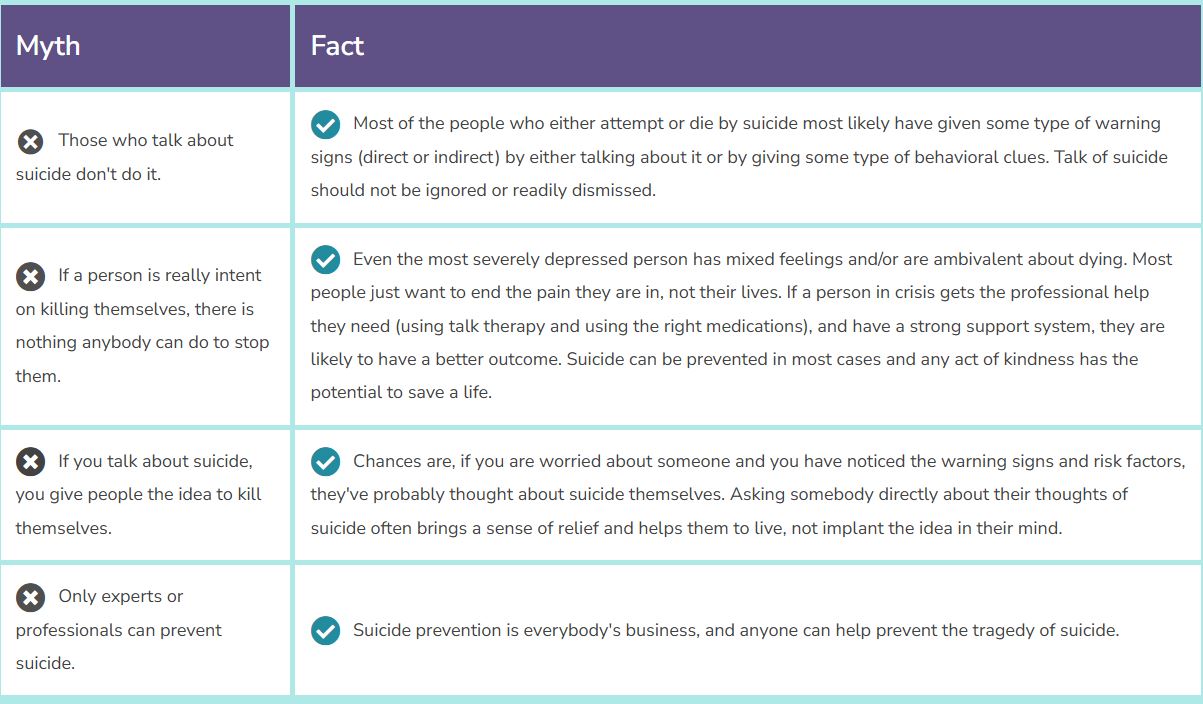
Myth 1: Talking about suicide increases the chance a person will act on it.
Fact: Talking about suicide may reduce, rather than increase, suicidal ideation. It improves mental health-related outcomes and the likelihood that the person will seek treatment. Opening this conversation helps people find an alternative view of their existing circumstances. If someone is in crisis or depressed, asking if they are thinking about suicide can help, so don’t hesitate to start the conversation.
Myth 2: People who talk about suicide are just seeking attention.
Fact: People who die from suicide have often told someone about not wanting to live anymore or that they don’t see the future. It’s always important to take it seriously when somebody talks about feeling suicidal.
It’s important to be kind and sensitive and ask direct questions, including:
- “Are you thinking about hurting yourself?”
- “Are you thinking about suicide?”
- “Do you have access to weapons or other objects to harm yourself?”
Myth 3: Suicide can’t be prevented.
Fact: Suicide is preventable but unpredictable. Most people who contemplate suicide often experience intense emotional pain, hopelessness and have a negative view of life or their future. Suicide is a product of genes, mental health illnesses and environmental risk factors. Interventions targeted to treat psychiatric and substance-use illnesses can save lives.
Myth 4: People who take their own lives are selfish, cowardly or weak.
Fact: People don’t die of suicide by choice. Often, people who die of suicide experience significant emotional pain and find it difficult to consider different views or see a way out of their situation. Even though the reasons behind suicide are quite complex, suicide is commonly associated with psychiatric illnesses, such as depression, anxiety, bipolar disorder, schizophrenia and substance use.
Myth 5: Teenagers and college students are the most at risk for suicide.
Fact: The suicide rate for this age group is below the national average. The age groups with the highest suicide rate in the U.S. are women 45–64 and men 75 and older. Although certain groups may be at higher risk, suicide is a problem among all ages and groups.
Myth 6: Barriers on bridges, safe firearm storage and other actions that reduce access to lethal methods of suicide don’t work.
Fact: Limiting access to lethal means of harm, such as firearms, is one of the most straightforward strategies to decrease the chances of suicide. Many suicide attempts are a result of impulsive decisions. Separating someone from a lethal means could provide a person with some time to think before harming themselves.
Myth 7: Suicide always occurs without warning.
Fact: There are almost always warning signs before a suicide attempt.
Here are a few common signs:
- Being preoccupied with death, dying or violence.
- Changing regular routine, including eating or sleeping patterns.
- Developing personality changes or being severely anxious or agitated, particularly when experiencing some of the warning signs listed above.
- Doing risky or self-destructive things, such as using drugs or driving recklessly.
- Feeling trapped or hopeless about a situation.
- Getting the means to take your own life, such as buying a gun or stockpiling pills.
- Giving away belongings or getting affairs in order when there is no other logical explanation for doing this.
- Having mood swings, such as being emotionally high one day and deeply discouraged the next.
- Increasing use of alcohol or drugs.
- Saying goodbye to people as if they won’t be seen again.
- Talking about suicide — making statements such as, “I’m going to kill myself,” “I wish I were dead” or “I wish I hadn’t been born.”
- Withdrawing from social contact and wanting to be left alone.
Myth 8: Talk therapy and medications don’t work.
Fact: Treatment can and does work. One of the best ways to prevent suicide is by getting treatment for mental illnesses, such as depression, bipolar illness or substance abuse, and learning ways to cope with problems. Finding the best treatment can take some time, but the proper treatment can significantly reduce the risk of suicide.
If you or someone you know is experiencing a mental health crisis or having suicidal thoughts YOU ARE NOT ALONE.
Contact:
Veterans Crisis Line: Call 988 then Press 1 or Text: 838255
Call, Text, Online Chat – Free and confidential resource for Veterans and their family and friends. Speak to trained responders 24/7.
Crisis Text Line – Text HOME to 741741
Text and Online – Volunteer based service offering 24/7 free support and help.
National Alliance on Mental Illness – Call 1-800-950-6264 or Text “helpline” to 62640
Call, text, or chat available M-F, 10 a.m. – 10 p.m. ET – To find support for your loved ones. Also offers a Family-to-Family Education Program for caregivers of people with mental illness.
Stop Soldier Suicide – ROGER Wellness Service – ROGER is a free, confidential wellness service from Stop Soldier Suicide. They offer virtual counseling and suicide specific care to veterans and service members.
Give an Hour – Give an Hour offers free, confidential mental health care to veterans, service members, and their families.
US Department of Veterans Affairs – Call 1-800-692-2411 and select “0” to connect with an agent.
This September marks the 25th anniversary of the 9/11 terrorist attacks, a pivotal moment in American history. Not since 1943 off the Alaskan coast has there been an attack on U.S. soil until that fateful morning of September 2001 which took more lives in a day than any other attack in history of a non-declared battle.
As we reflect on this day, I want to extend to those who perished that fateful day in the twin towers, on AA Flight 11, United Flight 175, AA Flight 77, United Flight 93, to the first responders, firefighters, police, paramedics, and every person who ran towards the horrific scenes – Thank You for your bravery.
As a former New Yorker who saw the towers being built, it was particularly heartbreaking when my wife called and asked me to turn on the TV. To my horror, I watched the events on that day unfold. My thoughts immediately turned to those inside the towers. Having been in the south tower and ridden the elevator to the observation deck on its top floor, I became deeply troubled by the realization that people who had simply gone to work that morning had no idea that their lives and the whole world would be changed forever.
We honor the memory of those who lost their lives on that tragic day and extend our deepest condolences to their families, as well as to all those impacted by the events of September 11th.
Also, this month, we pay tribute to Gold Star Mothers and Families, honoring those who made the ultimate sacrifice on the battlefield for our country’s freedom and security
Another day to remember, September 29 – is a day set aside to appreciate and thank our Veterans of Foreign Wars their families.
Coffee4VETS Salutes you!!!
Our Moto: “Honoring Our Veterans of Yesterday Who Secured Our Today.”
Our Purpose: Pride of Service
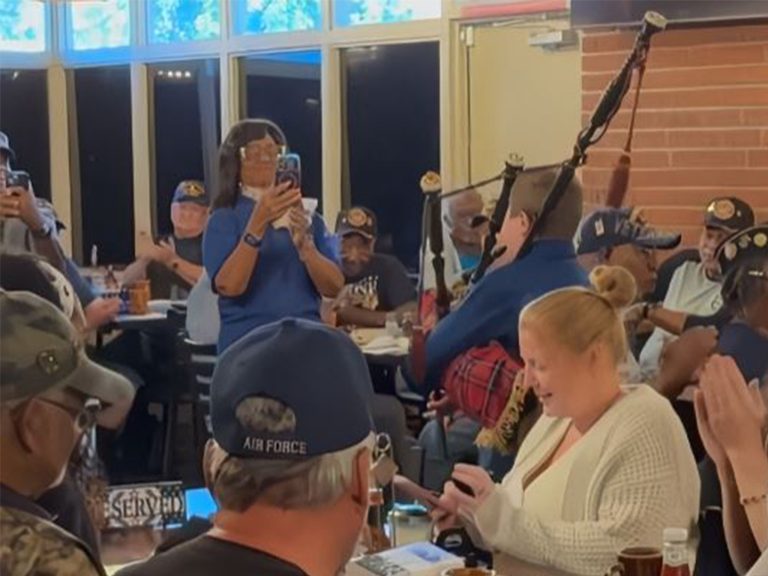
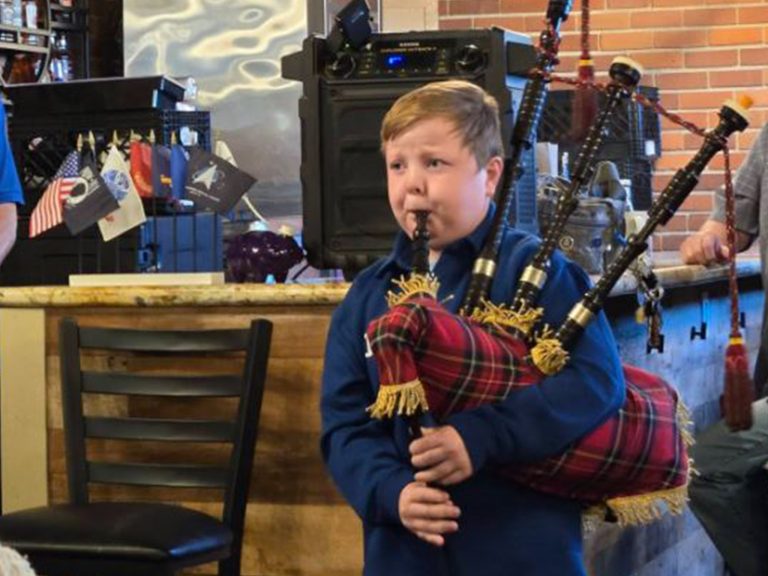
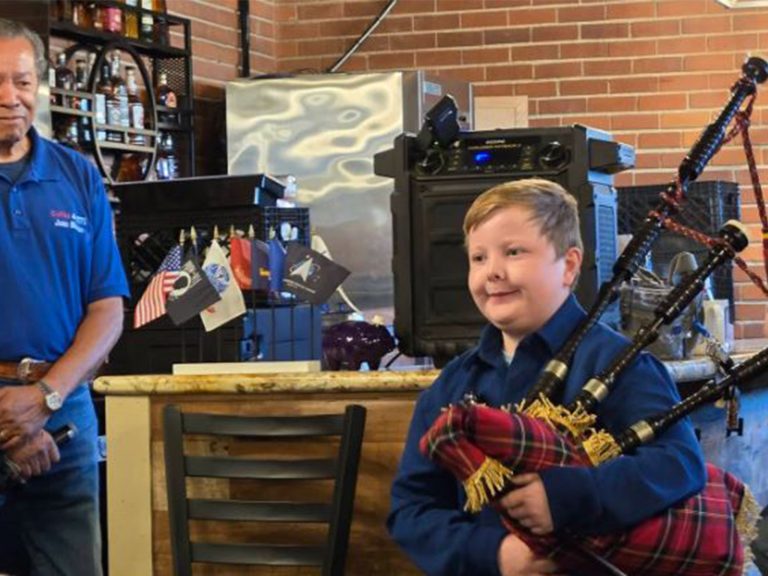
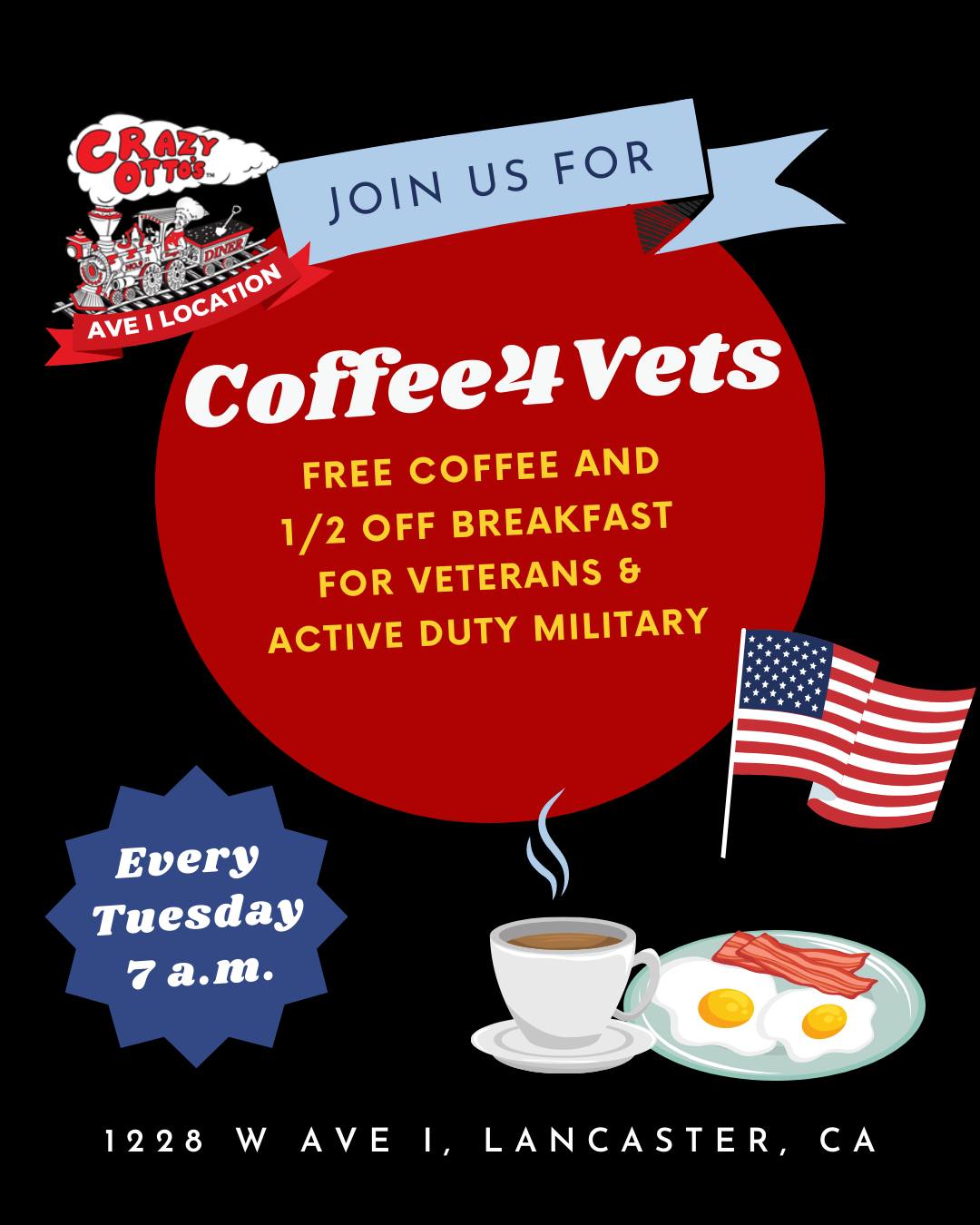
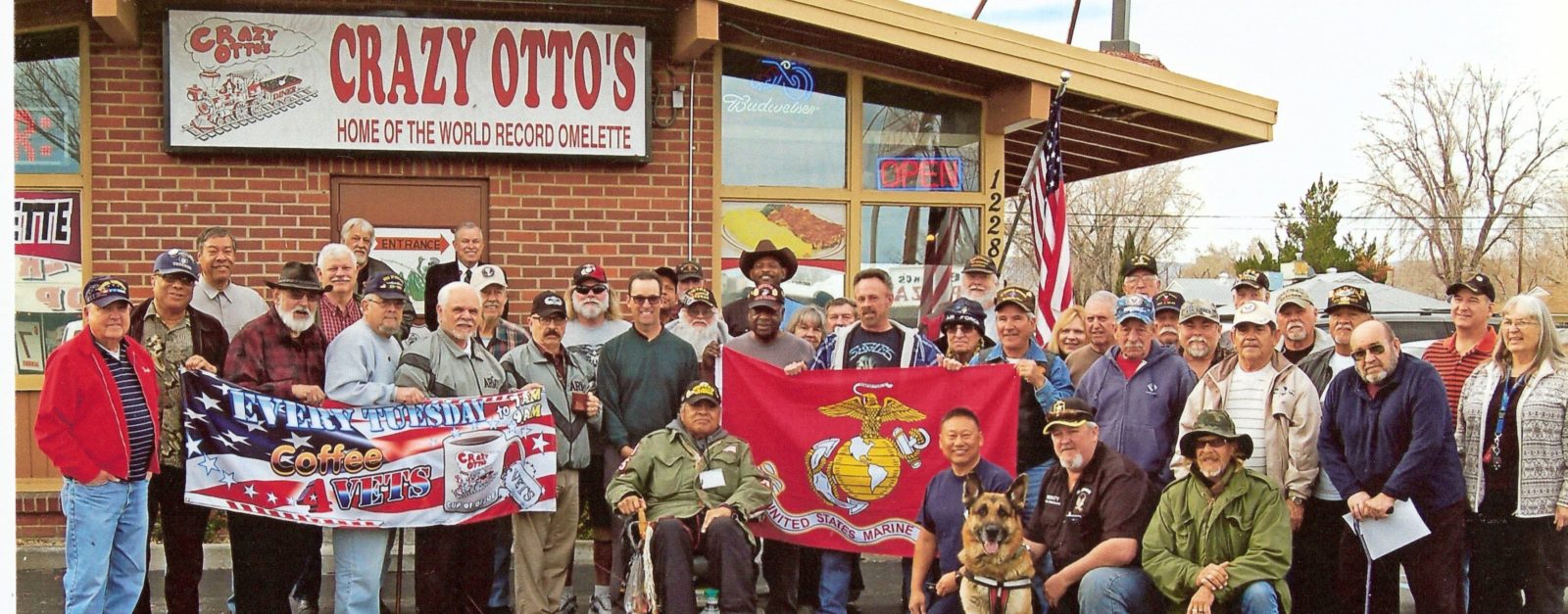
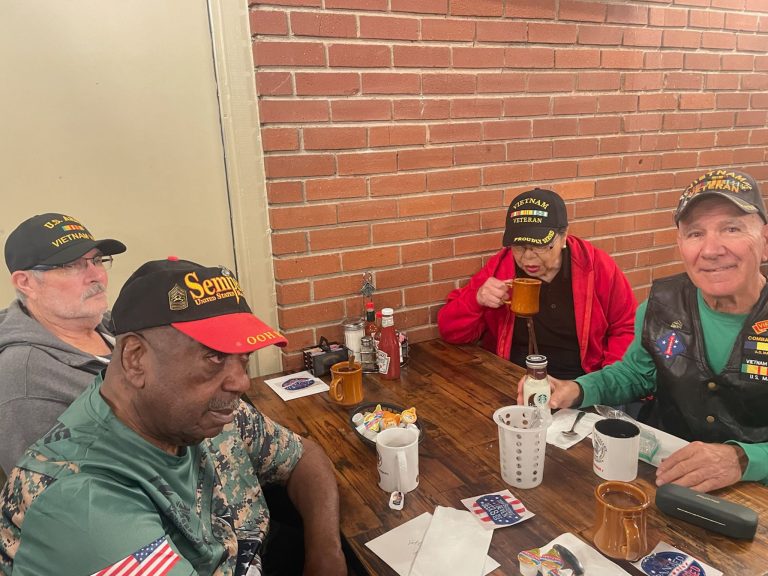
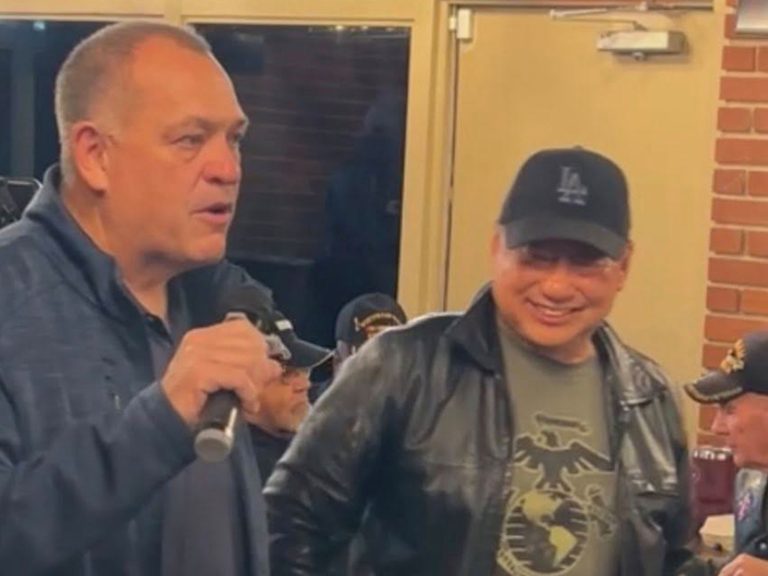
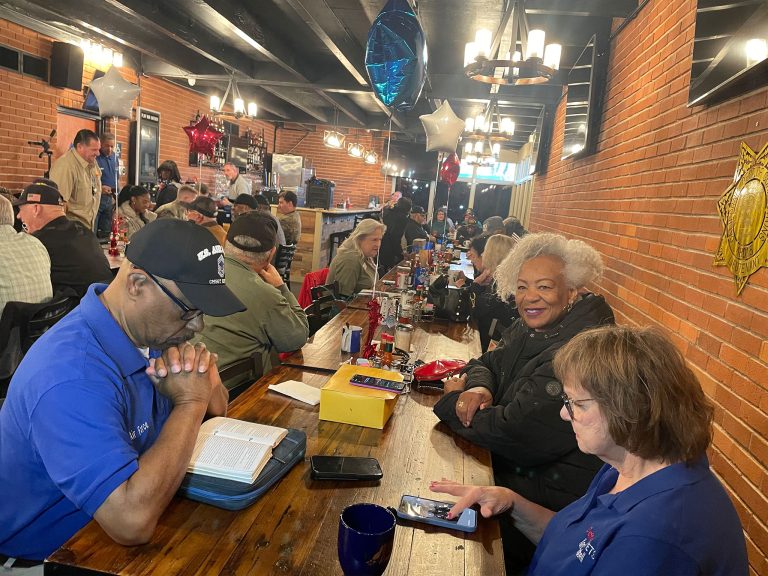
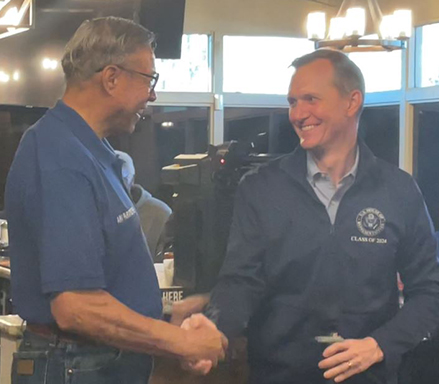
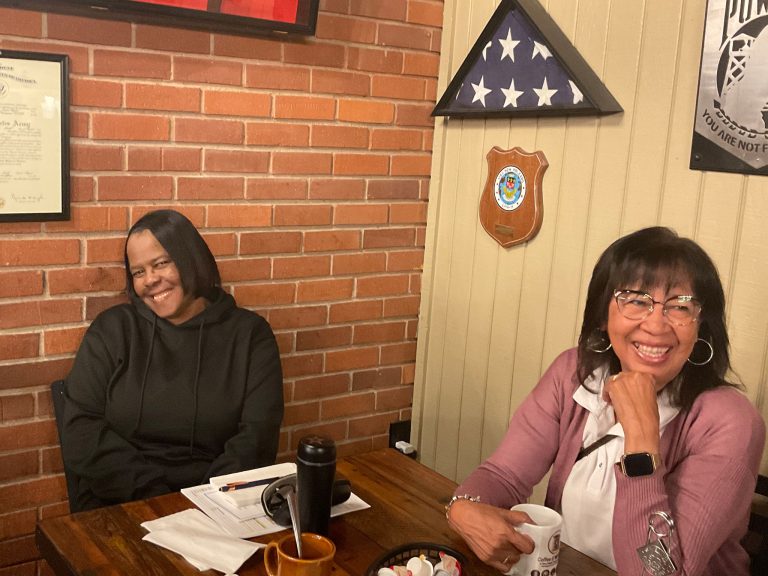
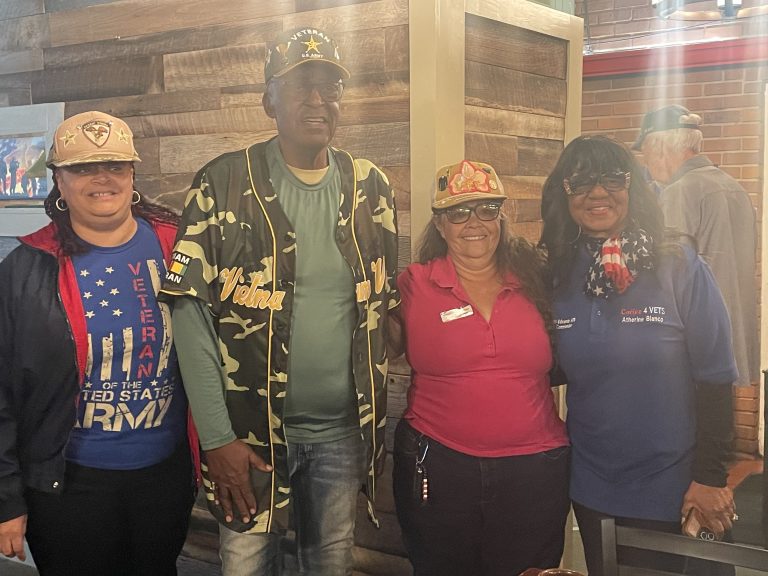
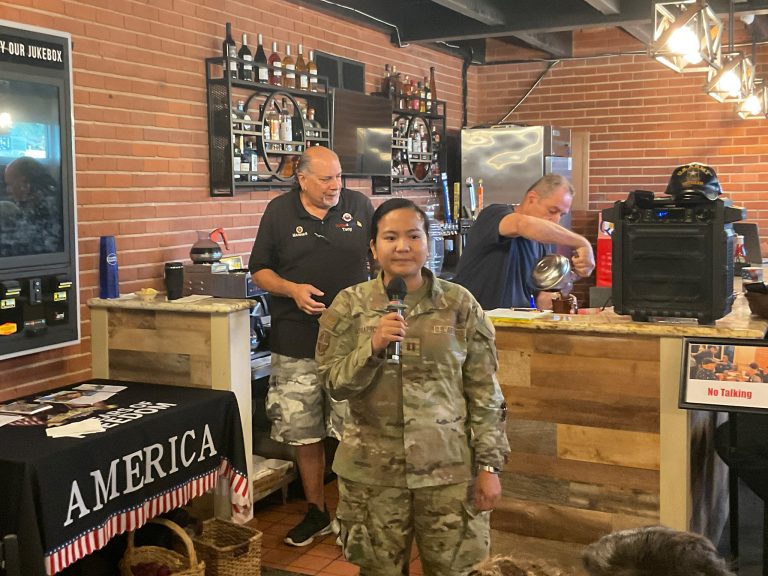
Join us for our weekly Coffee4VETS event! Veterans and active-duty military can enjoy FREE coffee and 1/2 off breakfast!
Date: Every Tuesday
Time: 7 A.M – 9 A.M
Where: Crazy Otto’s Diner at 1228 W. Ave I, Lancaster, CA
Date: 1st and 3rdThursday of the month at the
Where: Crazy Otto’s Diner at 19132 Soledad Canyon Road, Santa Clarita, CA
 FREE Groceries for ACTIVE DUCTY and VETERANS
Date: Mondays
Time: 6 P.M – 8 P.M
Where: Wayside Church


 Labor Day
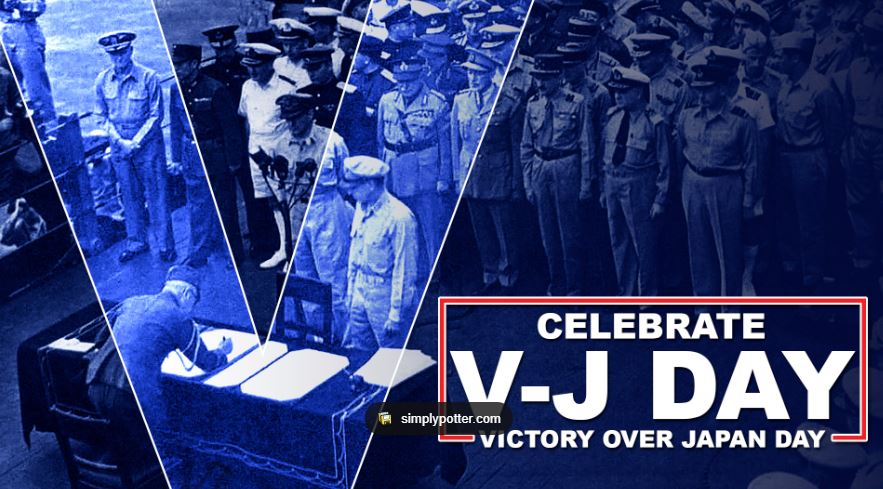 V-J Day (Victory over Japan)
A day that marks the announcement of Japan’s unconditional surrender, effectively ending World War II.
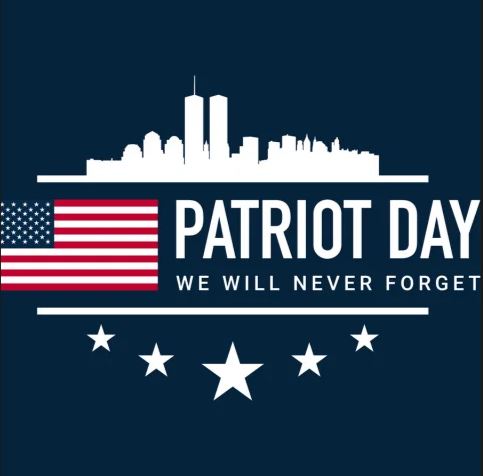 Patriot Day
A day of remembrance for the lives lost during the 9/11 terrorist attacks on the United States
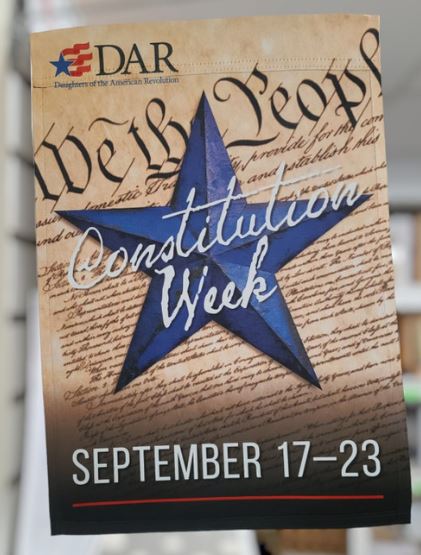 Constitution Week
A week to commemorate the adoption of the United States Constitution.
 Air Force Birthday
 National POW/MIA Recognition Day
 Gold Star Mother’s Day
A day to honor the mothers and families of fallen service members.
 VFW Day
A day to commemorate the hard work and sacrifice of veteran men and women who have selflessly served the United States of America. ‘V.F.W.’ stands for ‘Veterans of Foreign Wars,’